
Today, there are more ways to buy and sell cars than ever. From auctions to sites such as AutoTrader, trade-ins to adverts in the newspaper. But if you want to shift your car, then you need to know how to write the best used car ad to get the attention of potential buyers.
What we’re starting to see more of is people using social networking sites such as Facebook and Twitter to sell their cars. Every now and again, you’ll come across a well put together advert that tells you everything you need to know and really grabs your attention.
More often than not, however, people just throw in a couple of blurry photos, the make, model, mileage and how much they want for it. I don’t know about you but I’ve never seen one of these adverts and thought, “You know what? That’s the car for me.” As a seller, you’re wasting your time and as someone looking to buy a car, it can be extremely frustrating.
If you’re trying to sell your car but have no idea where to start, take a look at our guide on how to write the best used car ad.
How to write the best used car ad – essential information
There are six main pieces of information that must be included in any used car advert:
- Make
- Model (including trim level)
- Mileage
- Engine size and transmission type
- Age
- Asking price
These pieces of information along with photos, which is my next point, are the minimum that people will want to know. Make sure the information is accurate and clearly presented. If people are happy with those details, they’ll likely read on to find out more about the car.
Include great photos of your car
If you’re only going to get one part of your advert right, make sure it’s the photos.
Not everyone can be bothered to read through every detail on each advert. If you include plenty of high quality photos, however, the chances of them reading yours will be much higher.
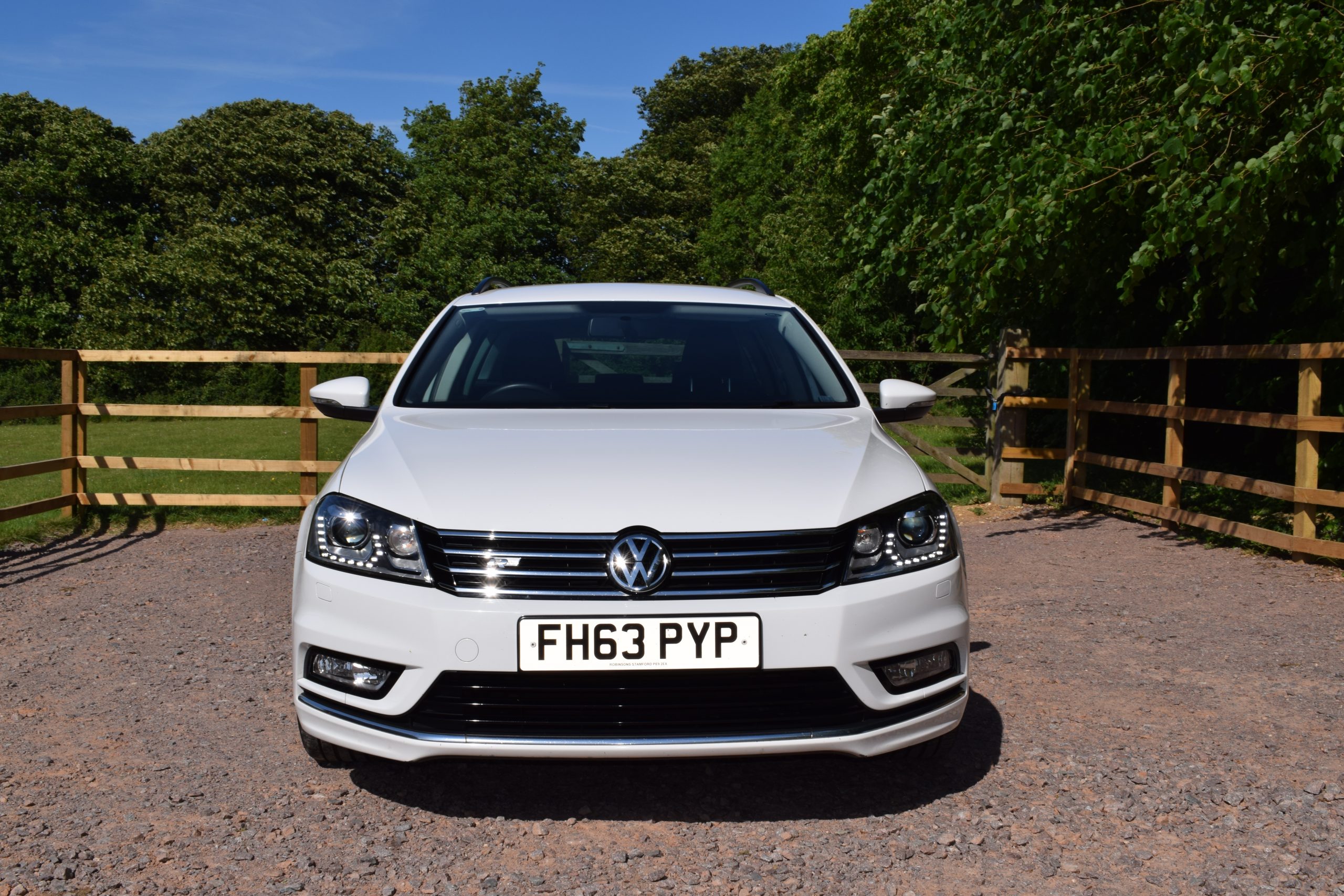
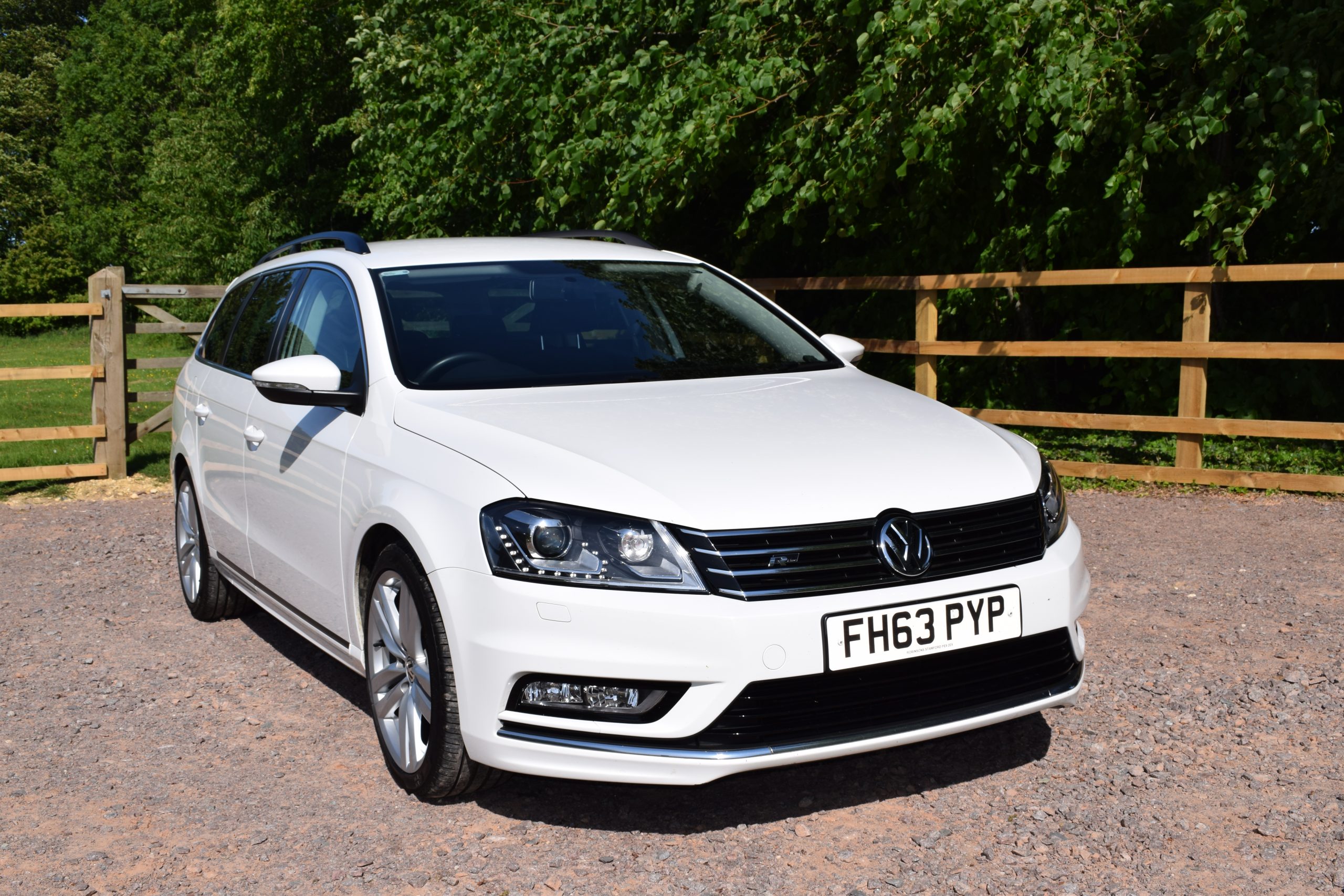
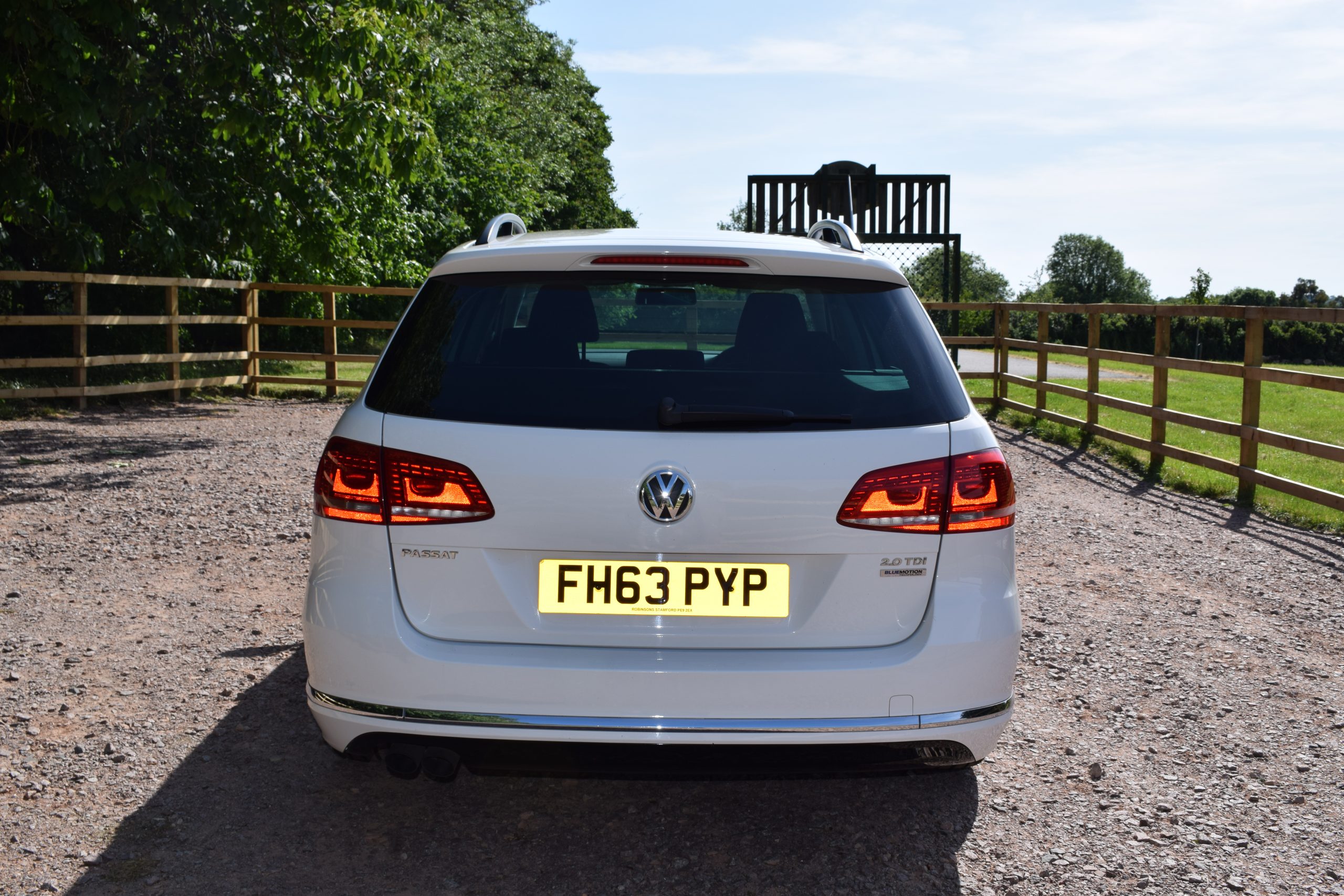
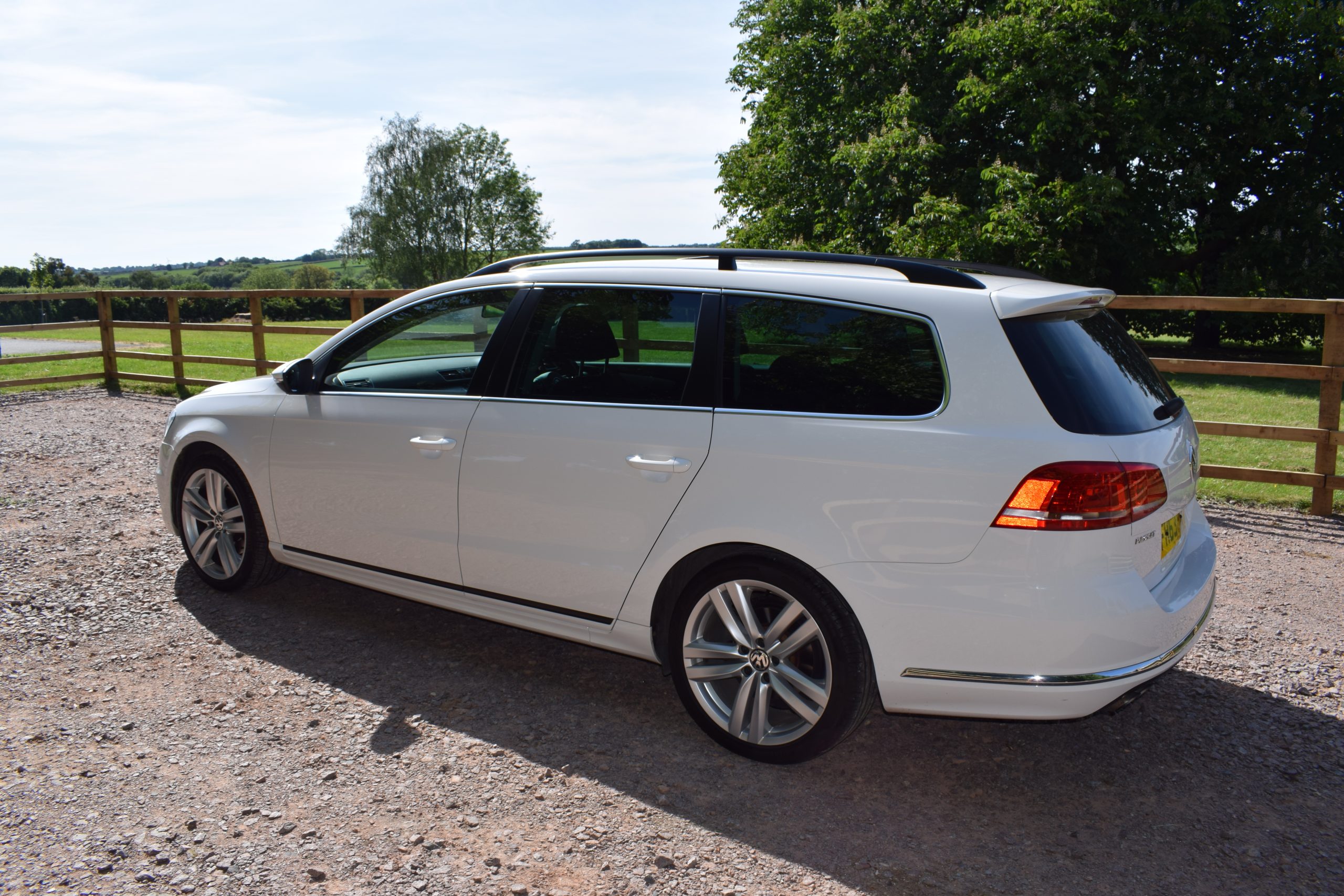
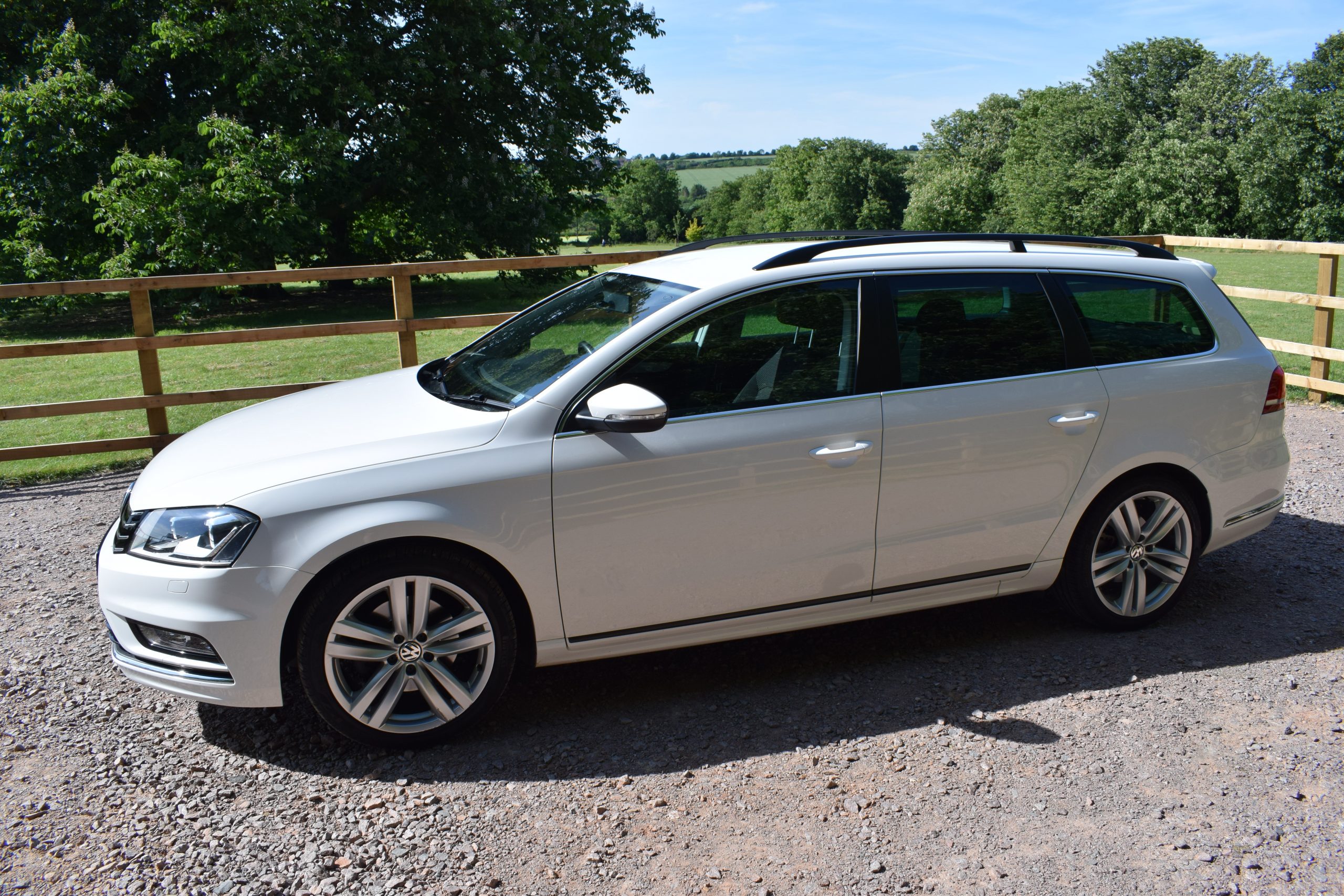
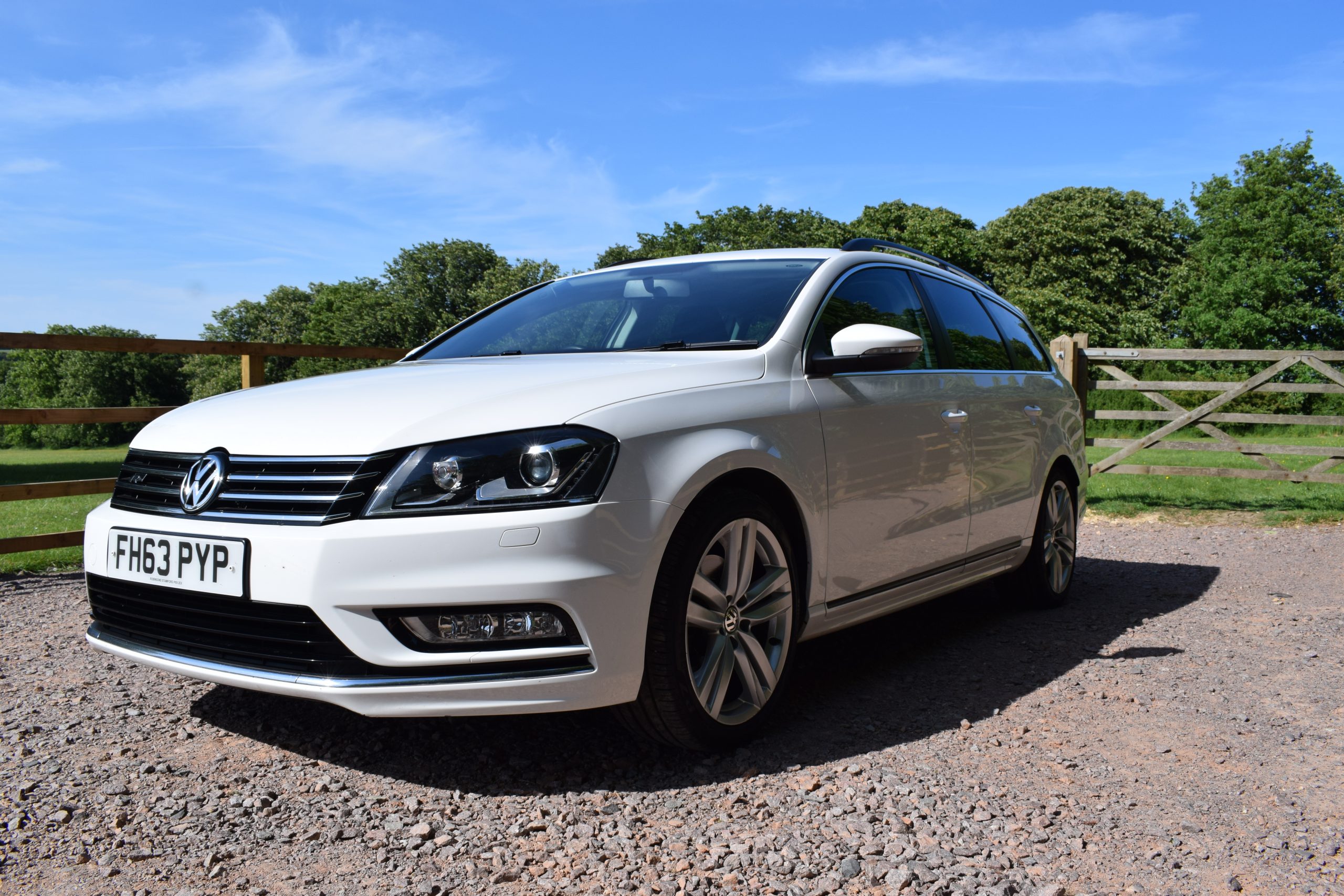
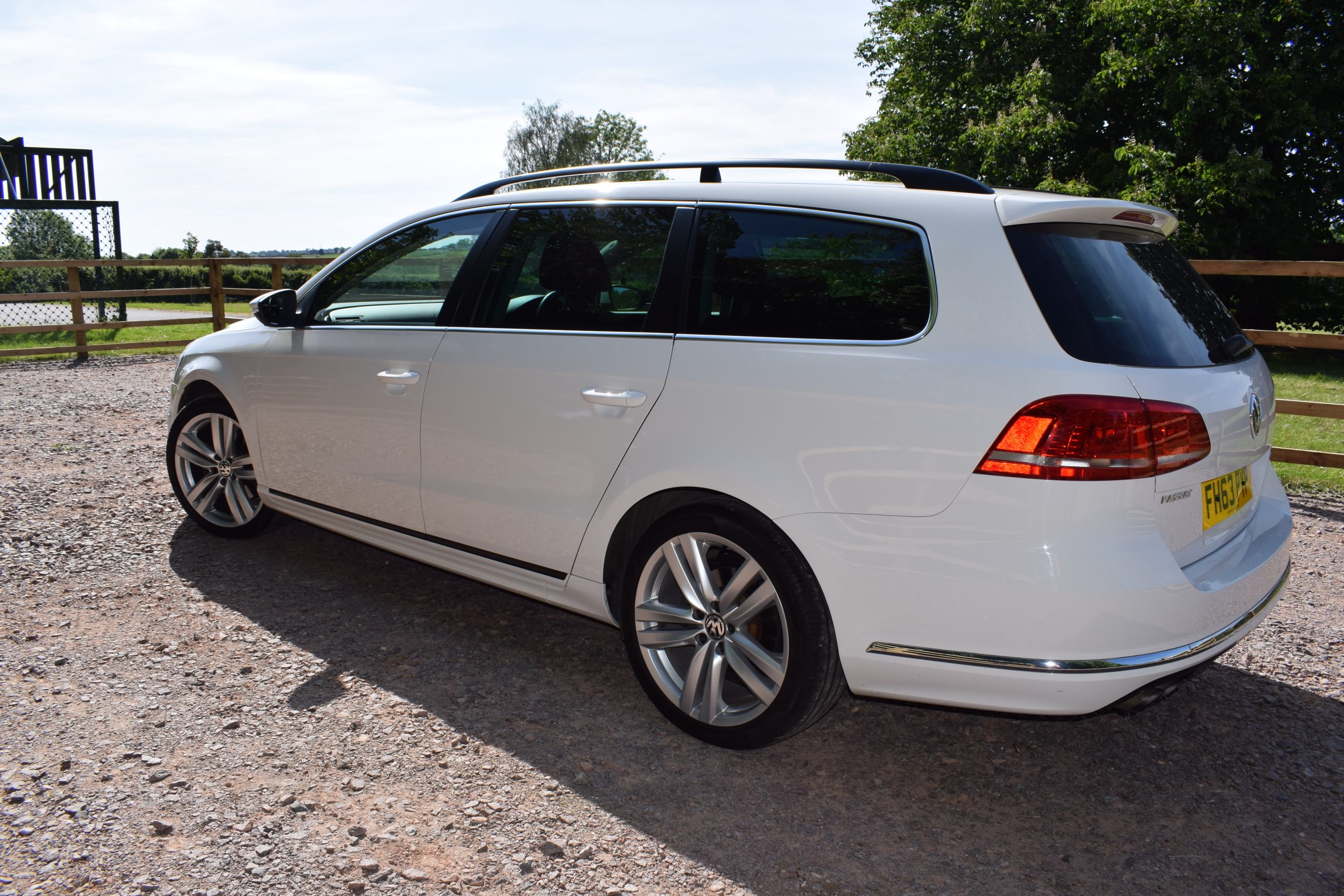
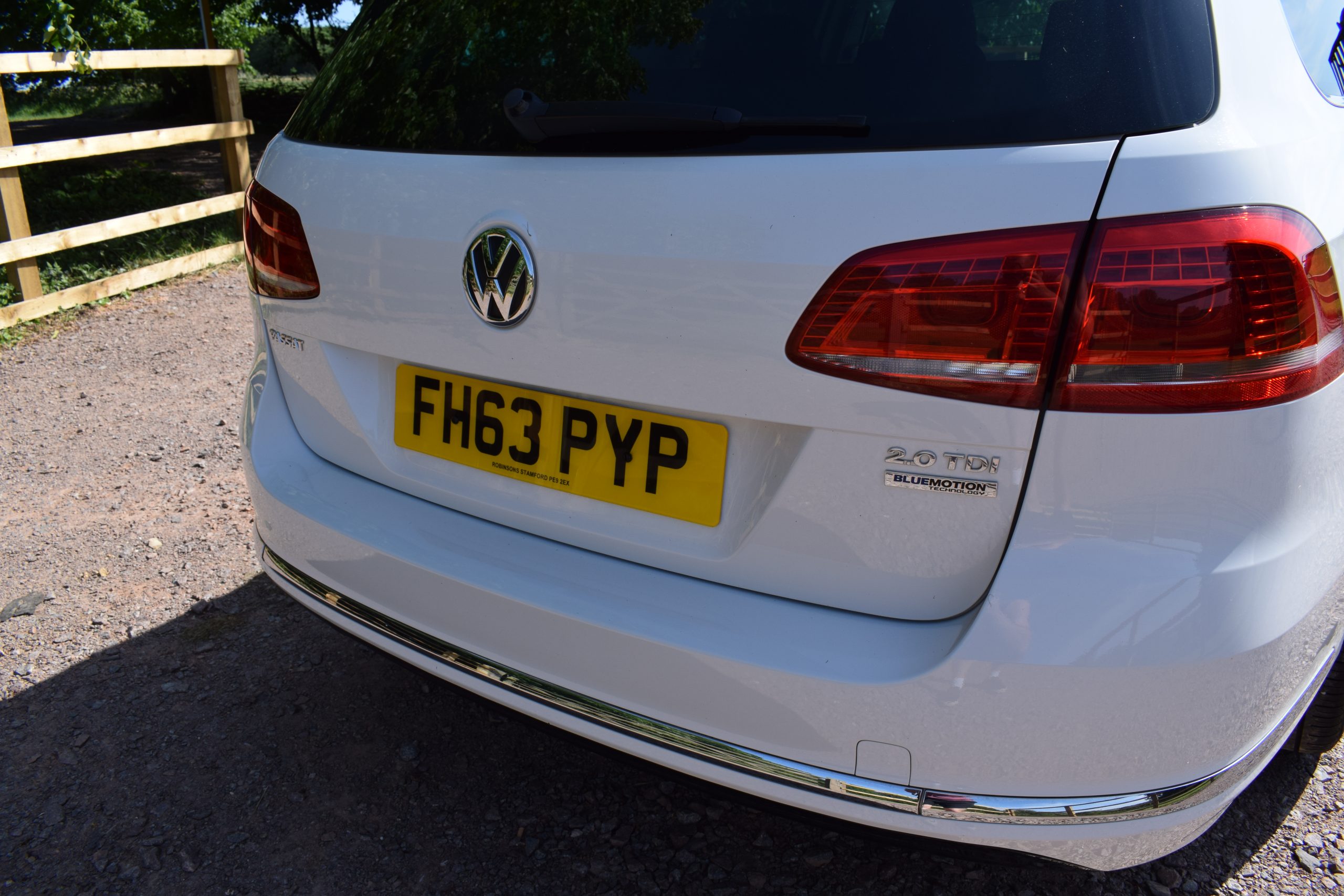
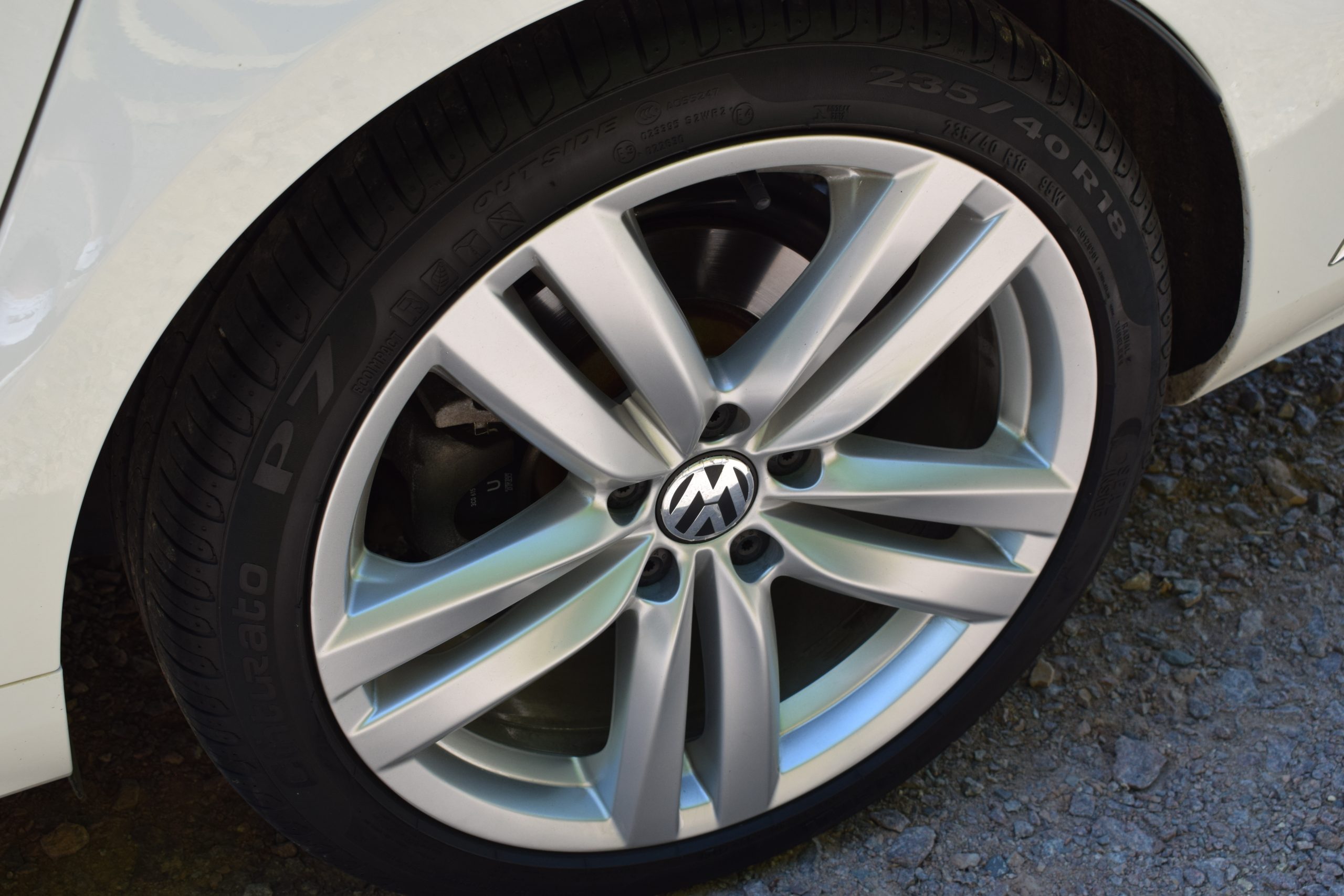
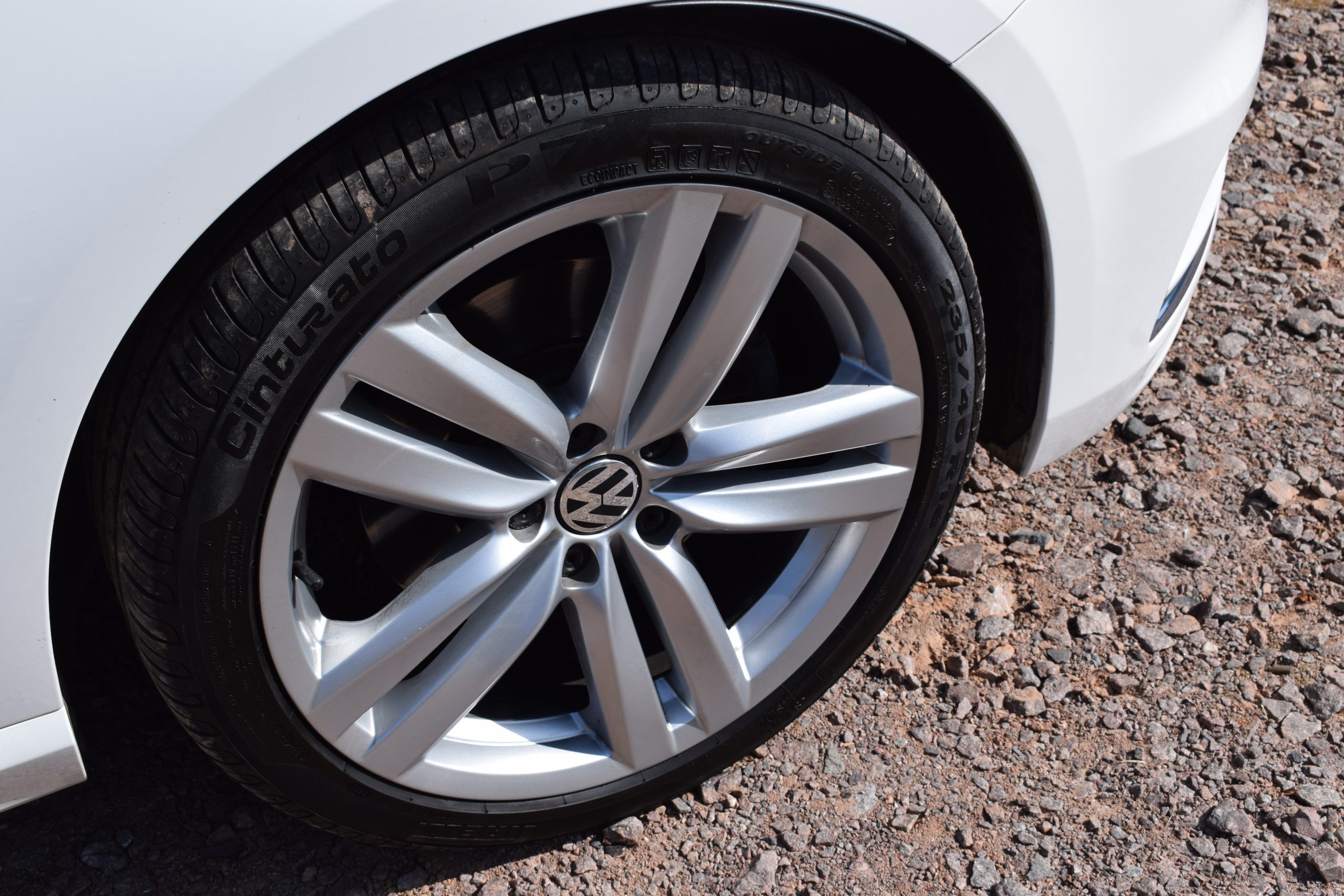
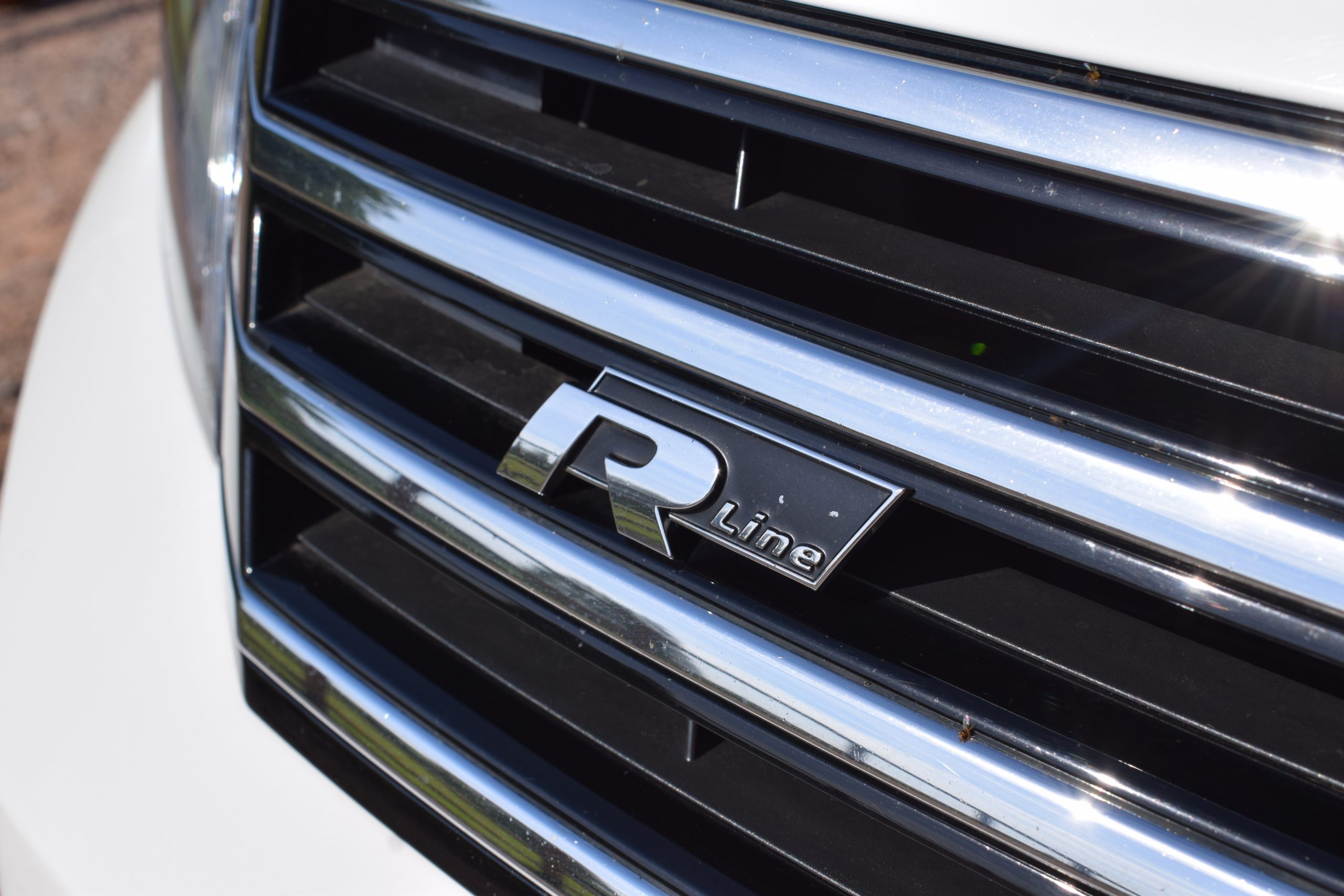
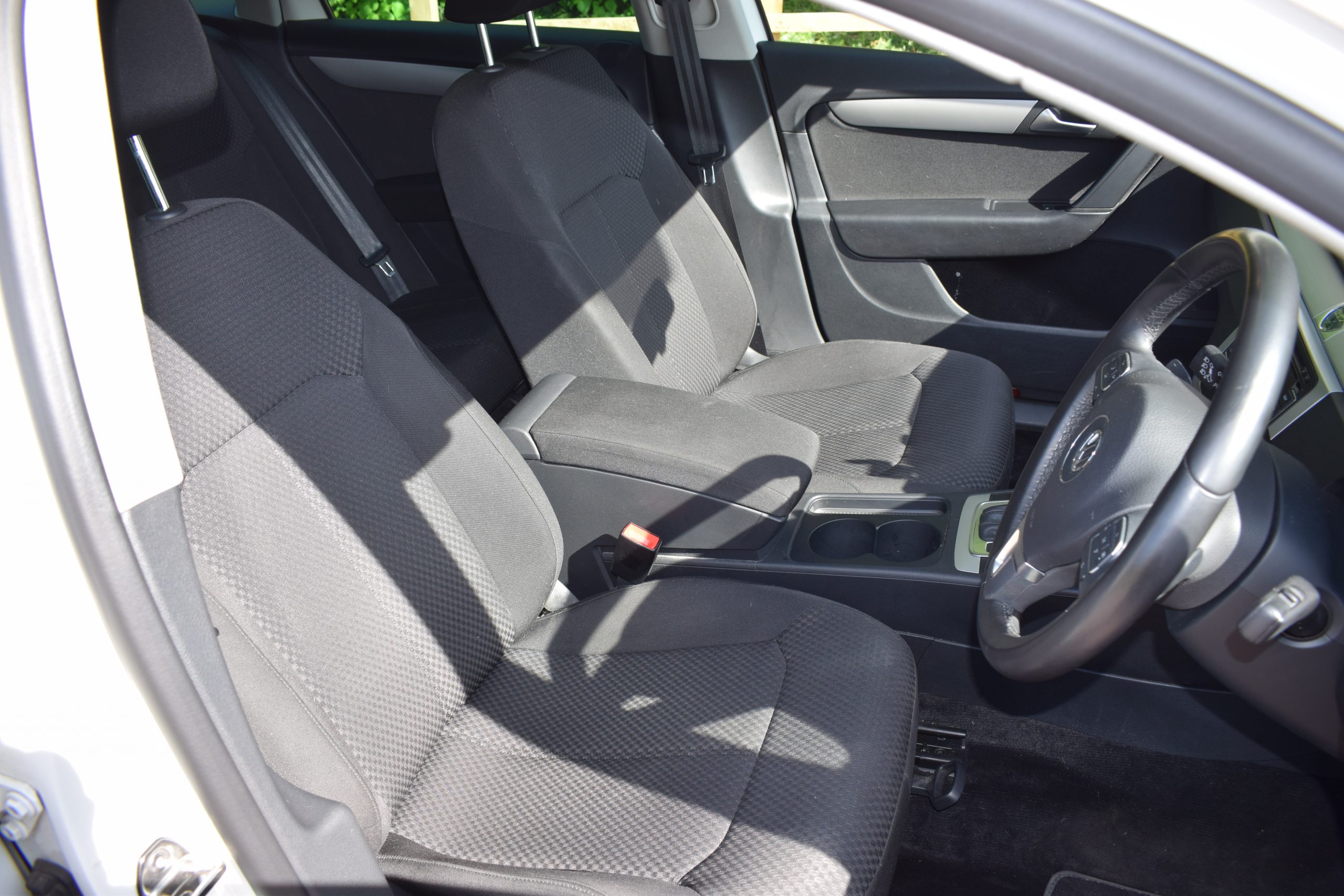
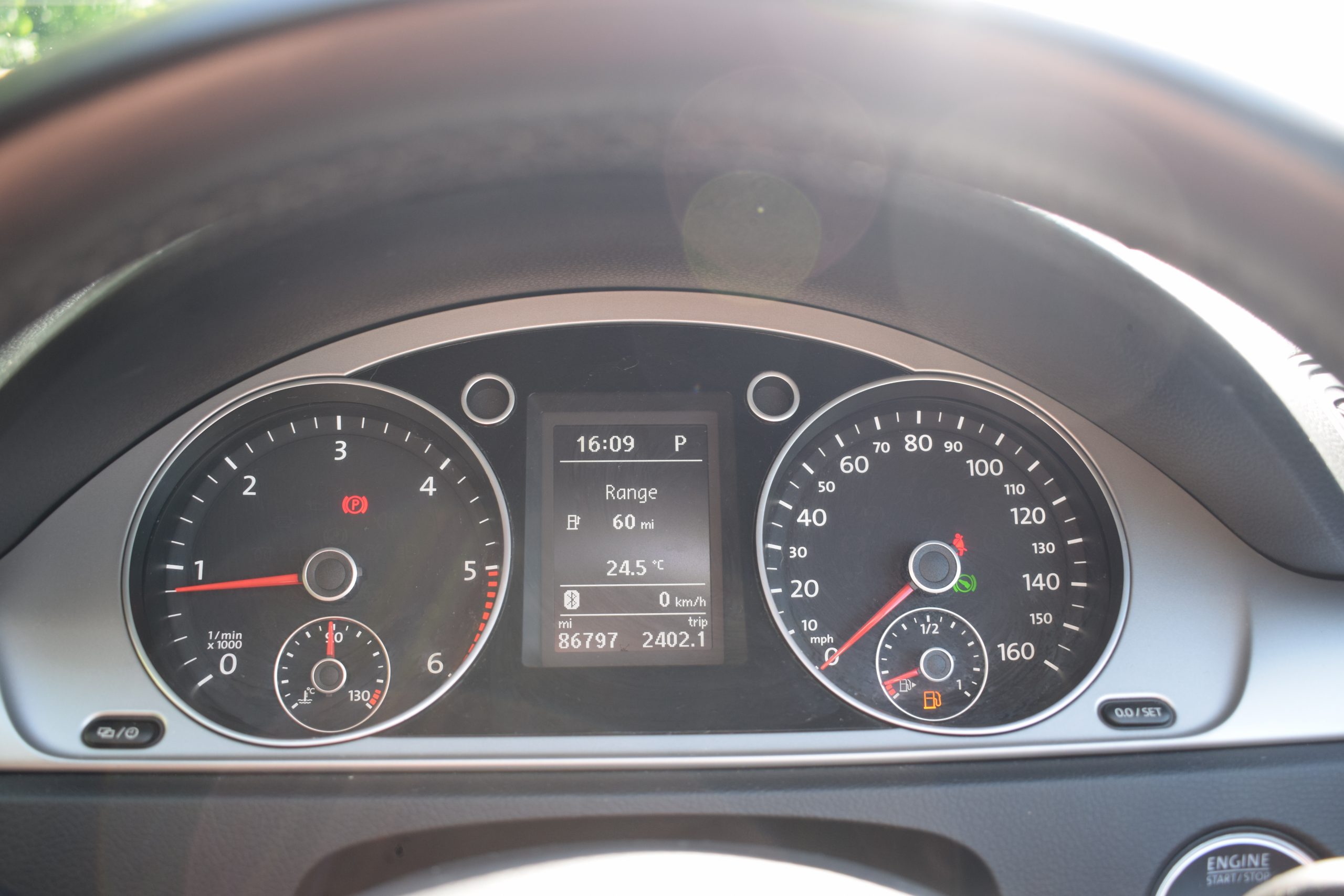
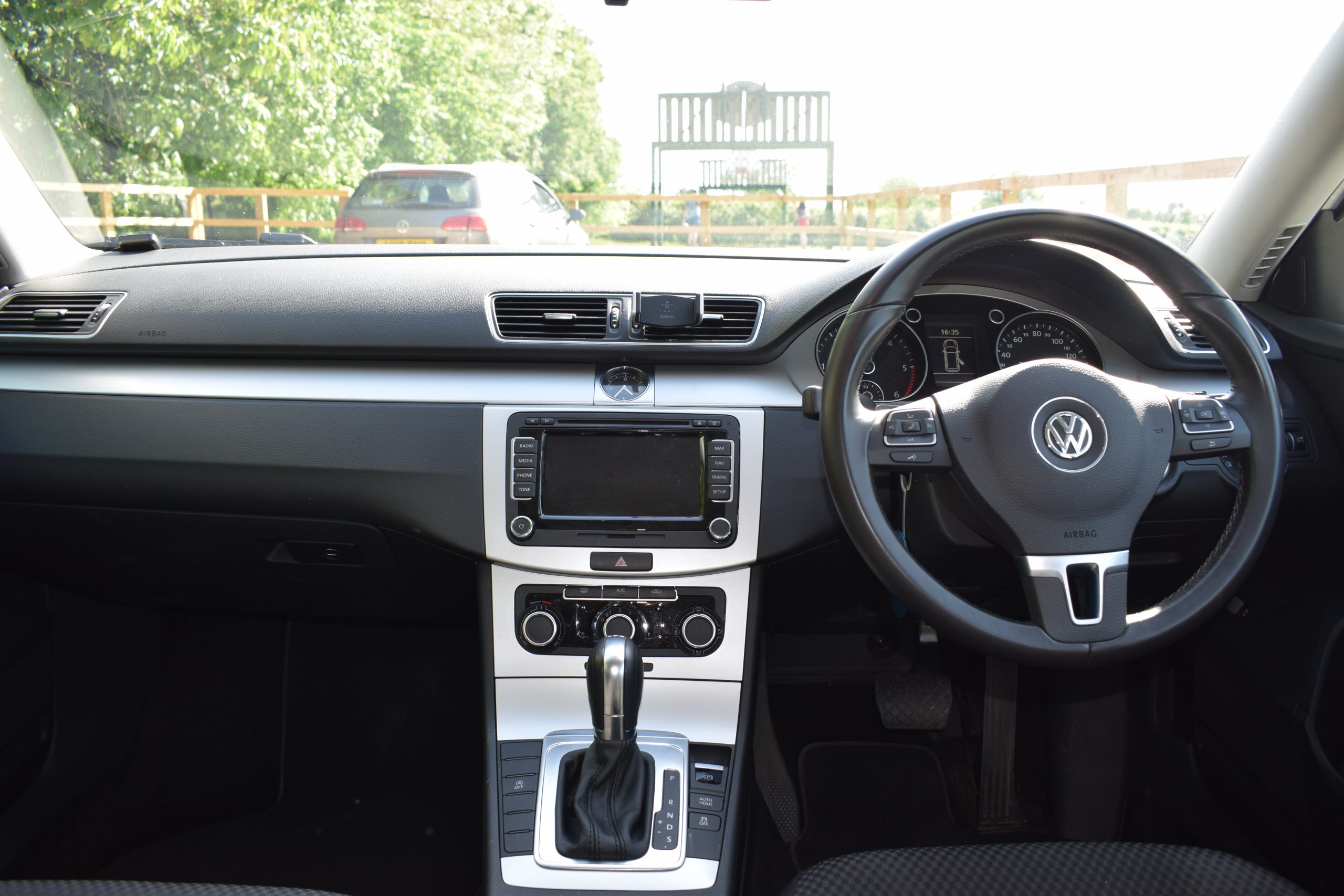
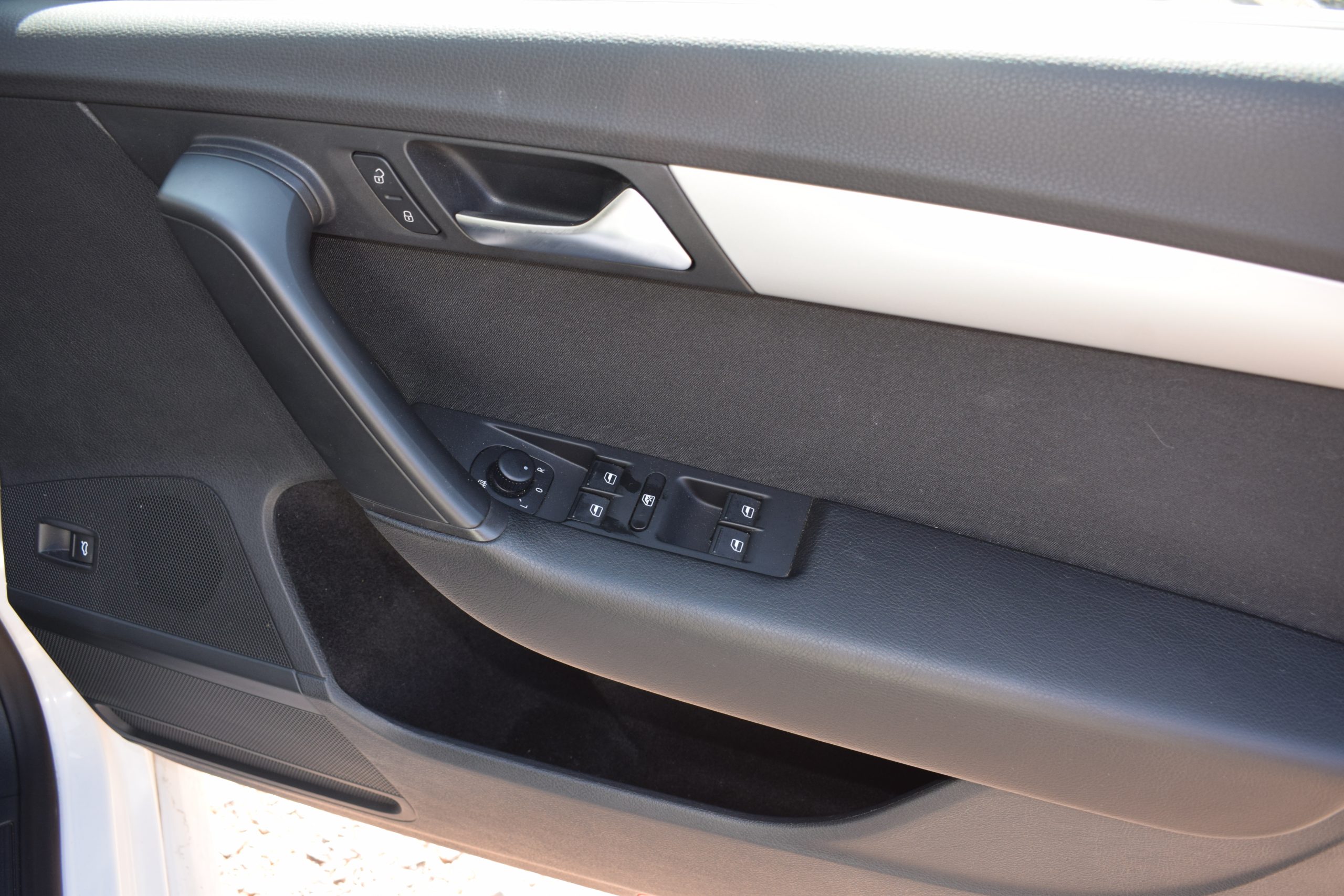
Try to add as many photos as you can. The more of the vehicle the customer gets to see, the better. Make sure the car is clean, find a nice, open location and try to take your photographs on a nice day – brighter photos are more likely to catch the eye.
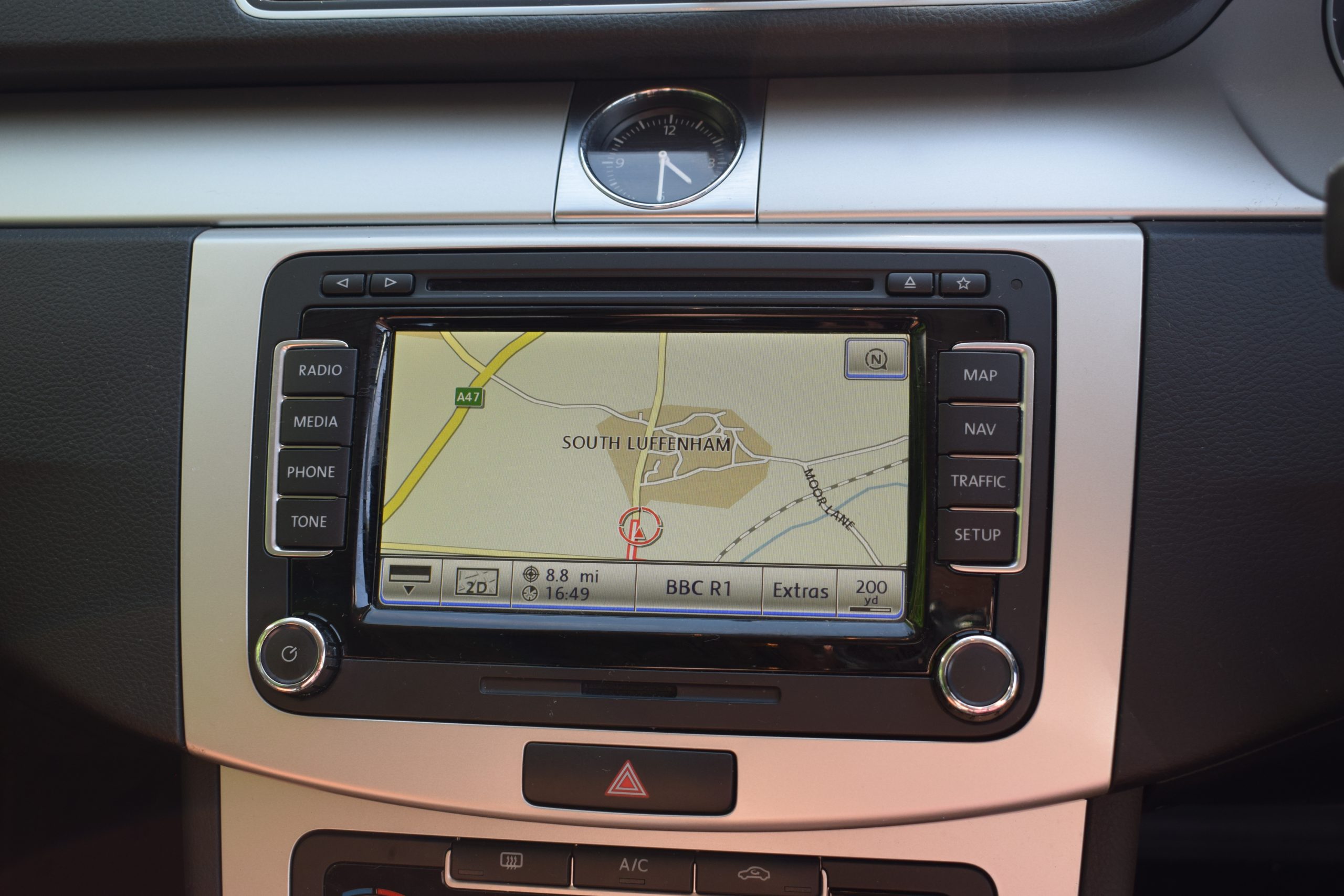
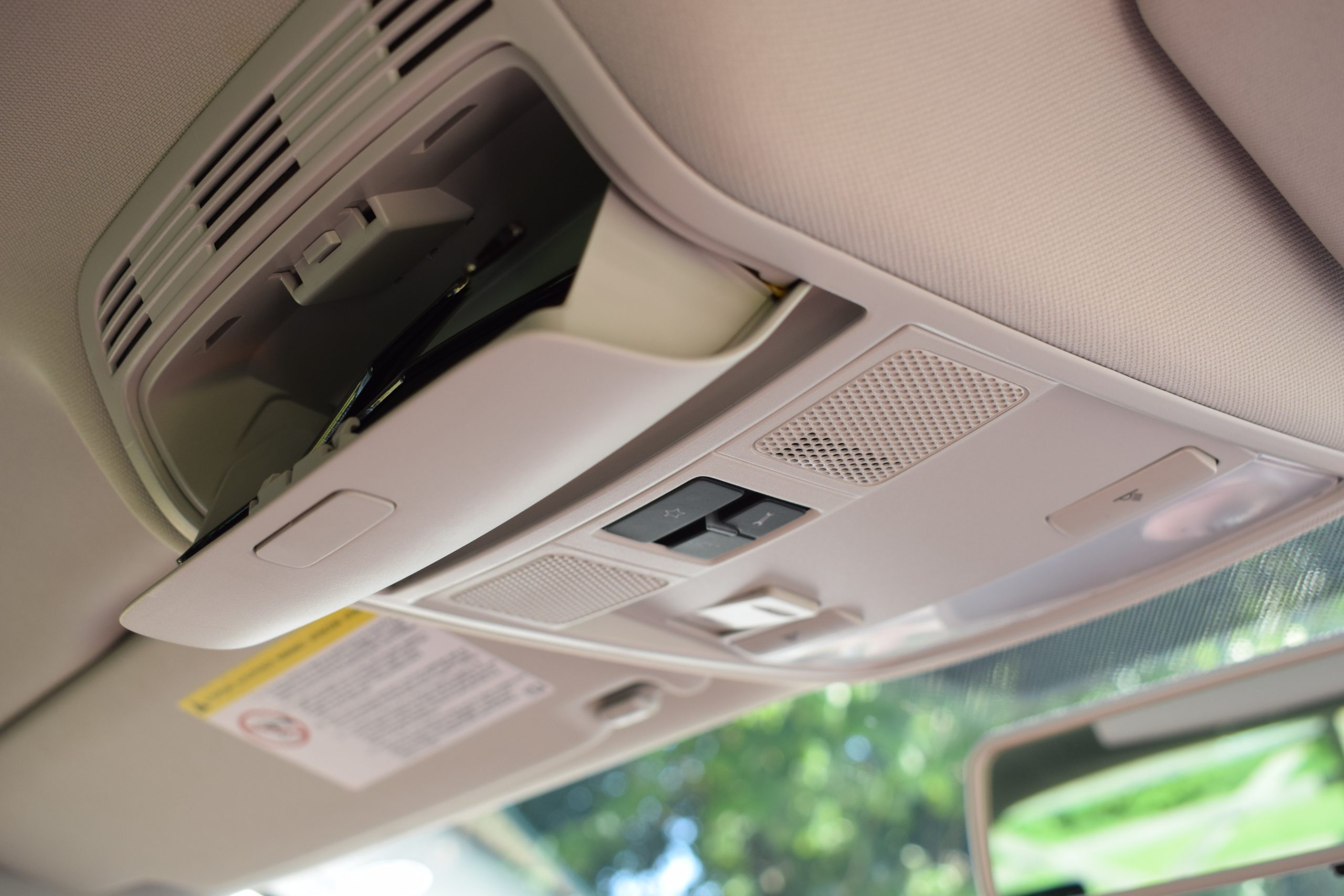
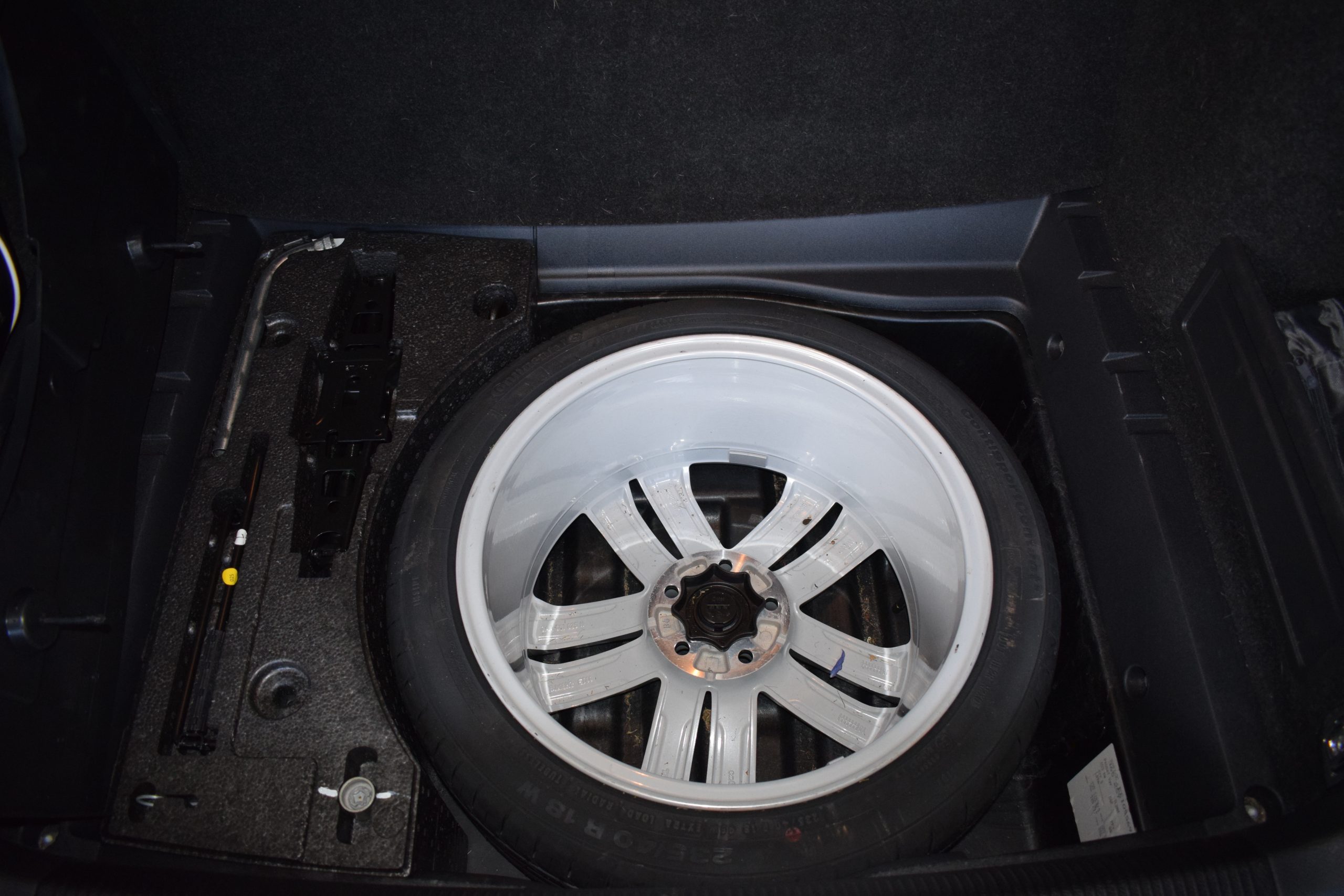
Take pictures of your car from multiple angles so the customer gets a full 360° view. Photograph the inside of the car, too, making sure to show the seats, dashboard, instruments, spare wheel and tools (if applicable).
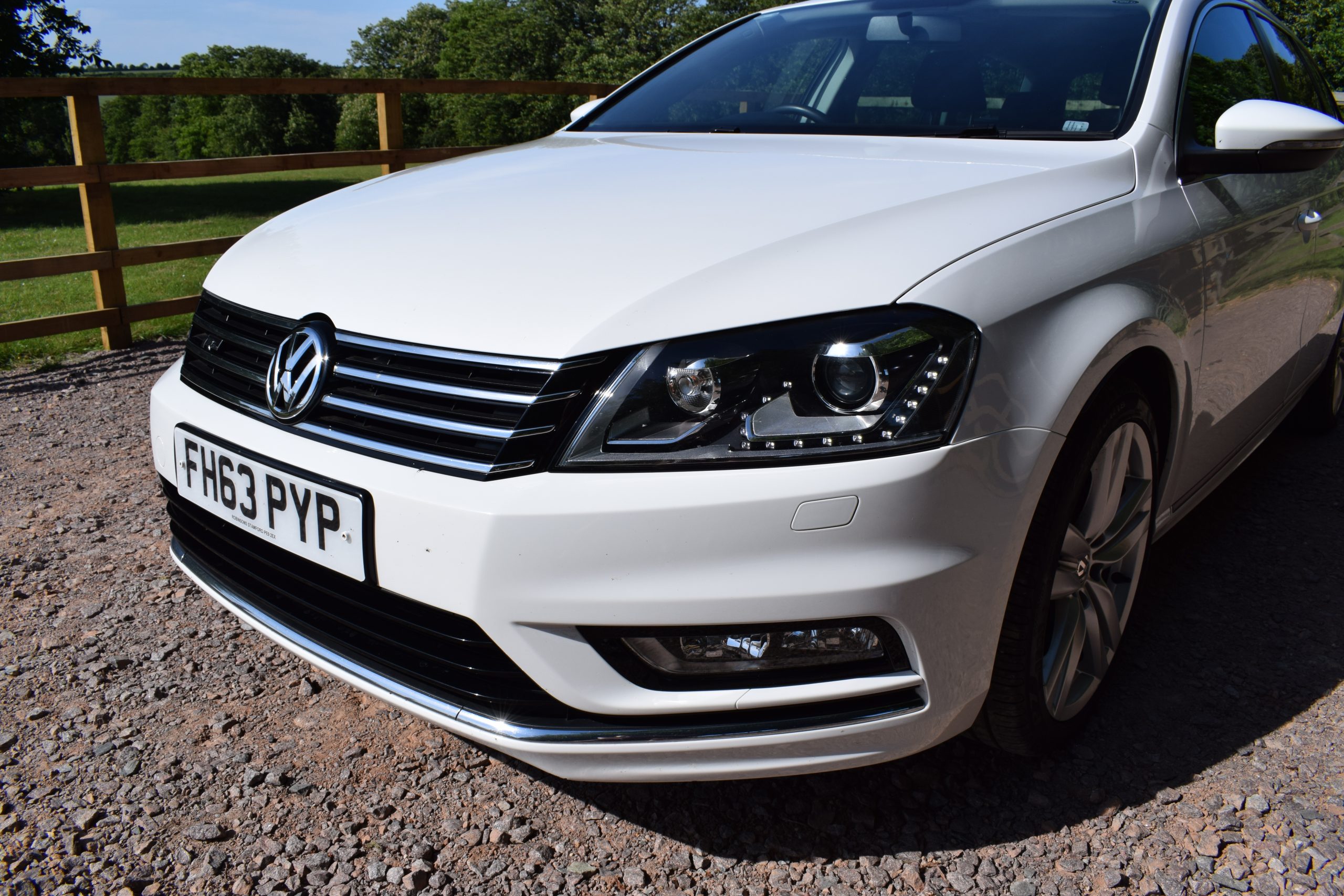
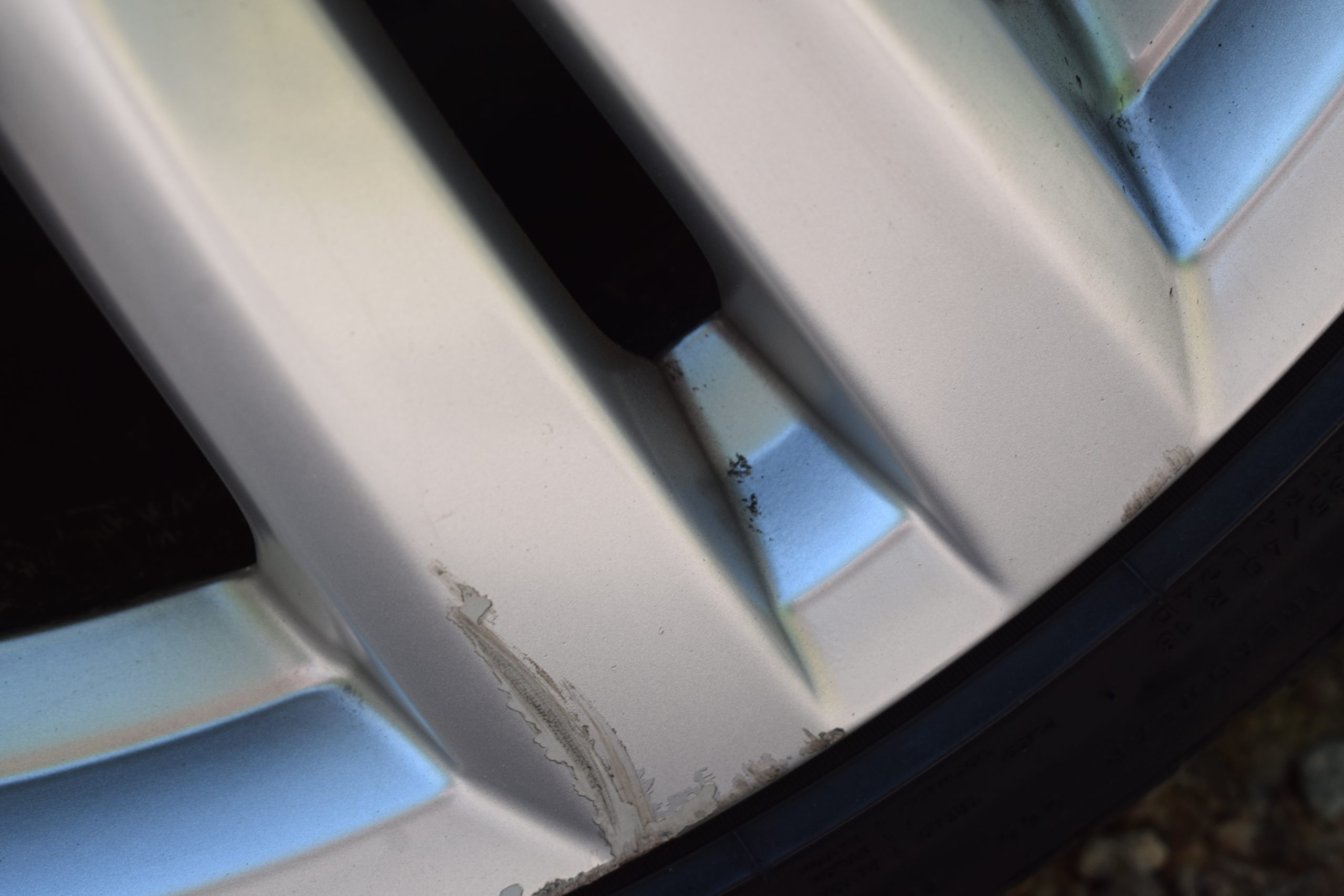
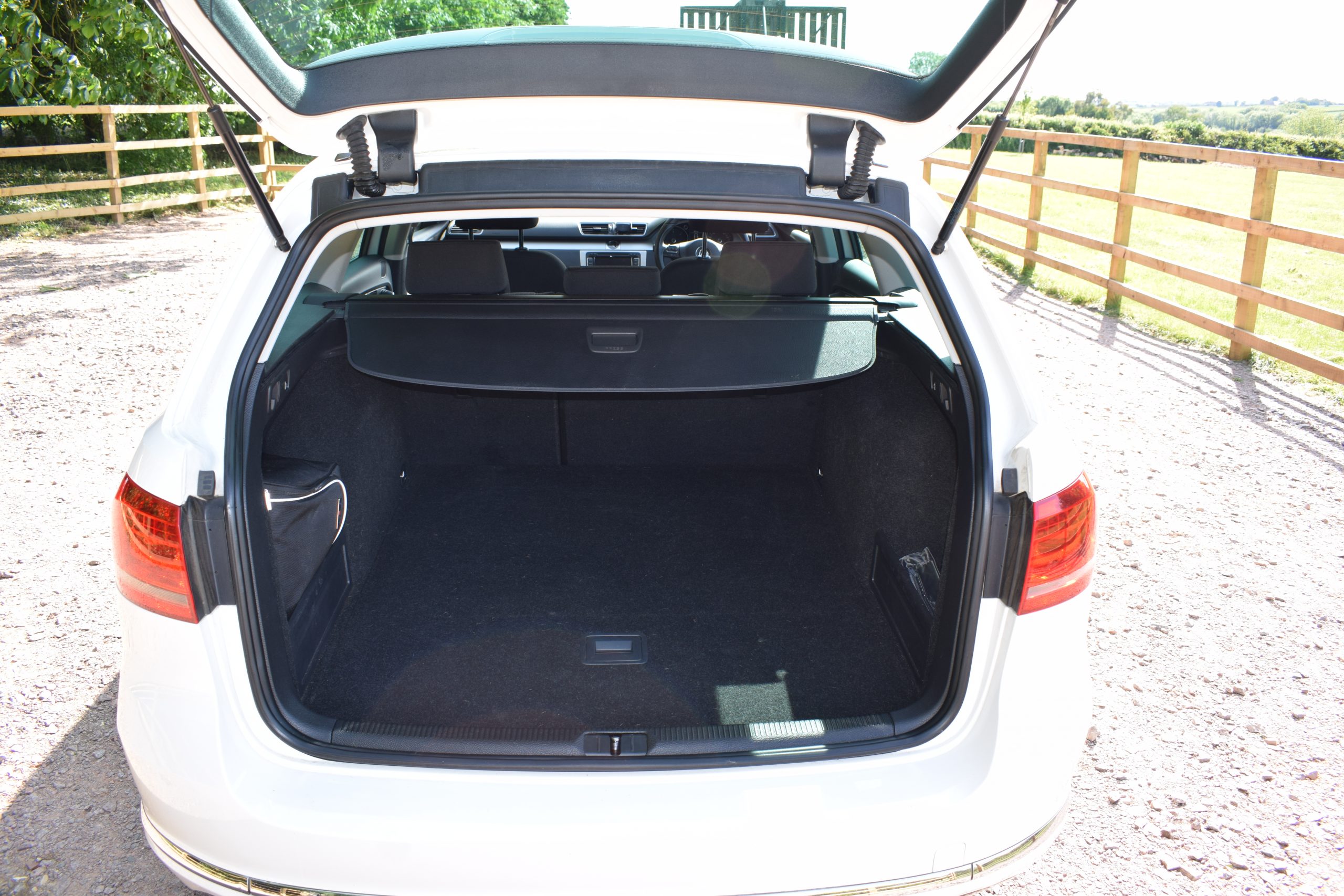
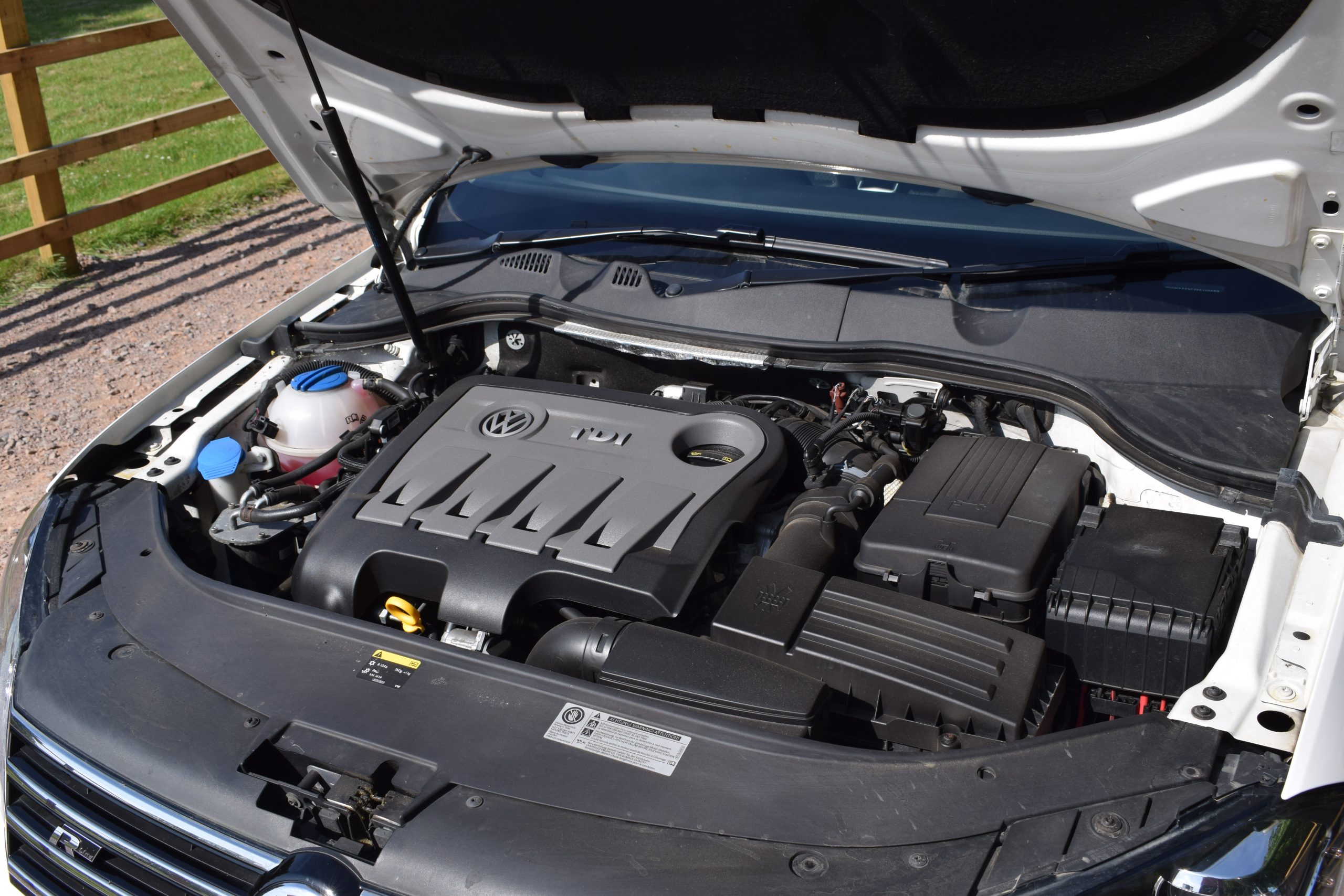
Include photos of the engine bay and the boot and take close-ups of any damage to the wheels, tyres and bodywork.
If you’re still unsure of what photos to include, take a look at the gallery below for a better idea.











MoT, Service and Repair history
The longer a car has left on its MoT, the better. People are much more likely to buy a car that has recently passed its MoT as it offers reassurance that the car is safe and in good condition.
On the other hand, a car with only a month left could be seen as a risk – no one wants to spend their hard-earned money on a car only to have to fork out hundreds of pounds when it fails its MoT just a few weeks later.
Service history also offers a sense of reassurance. A car that has been serviced regularly and had necessary work such as a cambelt change or brake fluid service carried out will be much easier to sell.
Similarly, it’s good to point out any recent repairs that have been carried out. If it’s just had a new power steering pump, for example, you can safely assume that’s one less thing that could go wrong soon after purchasing the car.
How to write the best used car ad: Equipment and Extras
Gone are the days where a car just came with a stereo, cassette player and sunroof. The list of additional extras you can have fitted to modern cars is enormous and there are certain things people seemingly cannot live without.
Here’s a few examples of the best equipment and extras to highlight in your ad:
- Air-conditioning
- Parking sensors
- Cruise Control
- Navigation
- DAB radio
- Heated seats
The list goes on. Obviously you don’t need to list every single piece of equipment fitted to the car. Some people are extremely picky, though, and could be completely put off buying a car if just one of those features are missing.
Share your car experiences in your advert:
Include details about how you found life with the car you’re selling. Did you like it? Was it enjoyable to drive? Does it get good fuel economy? These are all things people will want to know before buying a car.
It’s also worth mentioning why you’re selling the car. People might assume you just didn’t like it. If that’s the case, I’d probably leave it out. If you’ve bought something newer, however, or needed something bigger to fit your new dog in the boot, that will reassure the customer.
Damage/accident history
You’ll have noticed in the gallery in the photo section that I included a close up of some damage to the alloy. Whilst it may seem counter-productive, it does make sense to be clear about any damage to the vehicle in the ad.
At the end of the day, the damage is there and people would rather know about it. They don’t want to make the effort to come and view the car to only then find out it’s damaged.
It’s also important to mention if the car has been written off at any point. If it has, explain why and what work was carried out to make it roadworthy again.
People understand that they are buying used cars and there may be some wear and tear. What they won’t appreciate is being lied to about it.
Contact details
It sounds obvious but it’s important that you include contact details and information on how to arrange a viewing.
No matter how much information you include, people may still have more specific questions they want answered.
What not to include in an advert for your used car
Stating that your car is a “good runner” is like describing yourself as a “hard-working individual” on your CV – it’s generic, they’re empty words.
Likewise, attempting to pressure someone into a quick decision by using phrases such as “it’s had loads of interest” or “I’m waiting to hear back from someone” will just put buyers off.
One more thing that I see quite regularly is “ono” (or nearest offer). This is pointless as people are probably going to start with an offer below the asking price anyway. This just confirms that they won’t have to pay full price which renders your asking price null and void.
The legal stuff
It is important that any information given about the vehicle to be sold is accurate. As with any product, deliberately mis-selling a car can land you in trouble.
It’s worth remembering that even after the customer has taken the car, you are legally responsible for it until the DVLA has been notified of the sale. You can either do this online or by sending off the V5C.
Also, you cannot sell a vehicle that has any outstanding finance whether it’s on a hire purchase deal or PCP. Until the full financed amount is settled, the lender is the legal owner of the car. You can, however, sell a car that has been paid for using a personal loan.
So that completes our guide on how to write the best used car ad. Hopefully it was useful to you and helps you to get as much as you can for your used car.
If it has helped or there was anything you think we missed, please do let us know in the comments section below or via our Facebook and Twitter pages.
Leave a Reply