We’re always looking to encourage new contributors to Rescars. So it’s great to welcome Ben Williams aboard. As our first American correspondent, he’s had to put up with some good-natured ribbing about the state of American automotive progress and his own efforts to transplant an engine the size of a small European house into his current project.
Which probably explains why his first article is defending the eternal cool of the classic muscle car. Hopefully we can bring him over to check out the European hot rod and muscle car scene in the future, as well as demonstrating why low weight and handling is fun when corners are involved. Just to add to the Trans-Atlantic flavour, the pics are from a visit to the London Motor Museum a while back.
Why Classic Muscle Cars Will Always Be Cool
Cast your mind back to the United States in the 1960’s. This decade saw great sorrow, growth and success on national levels. It also saw the birth of a crazy idea from Detroit of putting a huge motor into a small, coupe style car, starting the great muscle car boom. The Big Three, General Motors, Ford, and Chrysler, tossed all they could at each other with multiple options of engines, trim, and features to out sell the competition.

Not only did this happen on the showroom floor, but on the race track as well. With a “Win on Sunday, sell on Monday.” Mentality, the Big Three would create special spec models just so they could meet NASCAR and Trans Am Racing rules, such as the Dodge Charger Daytona, or the Camaro Z/28. Needless to say, these wacky ideas paid off. This intense period of competition between the Big Three has embedded the muscle car into to America culture and has sinuous with “cool.” However, much of what muscle cars are is because of American culture itself.

There is one word that sums up American culture as a whole: freedom. A country that was born from rebellion that guarantees certain freedoms in its Constitution would strive to secure freedom for everyone. In this culture, a car with its endless possibilities which gives the owner the ability to go anywhere becomes a symbol of freedom.

Someone could also attribute this sense of freedom to the customization aspect of American car culture. Most of the customization started with Hot Rodders trying to get a little more power out of their cars and trying to get them to go a bit faster than what was considered safe. When muscle cars began to begin introduced, Hot Rodders went crazy with them and it built from there.
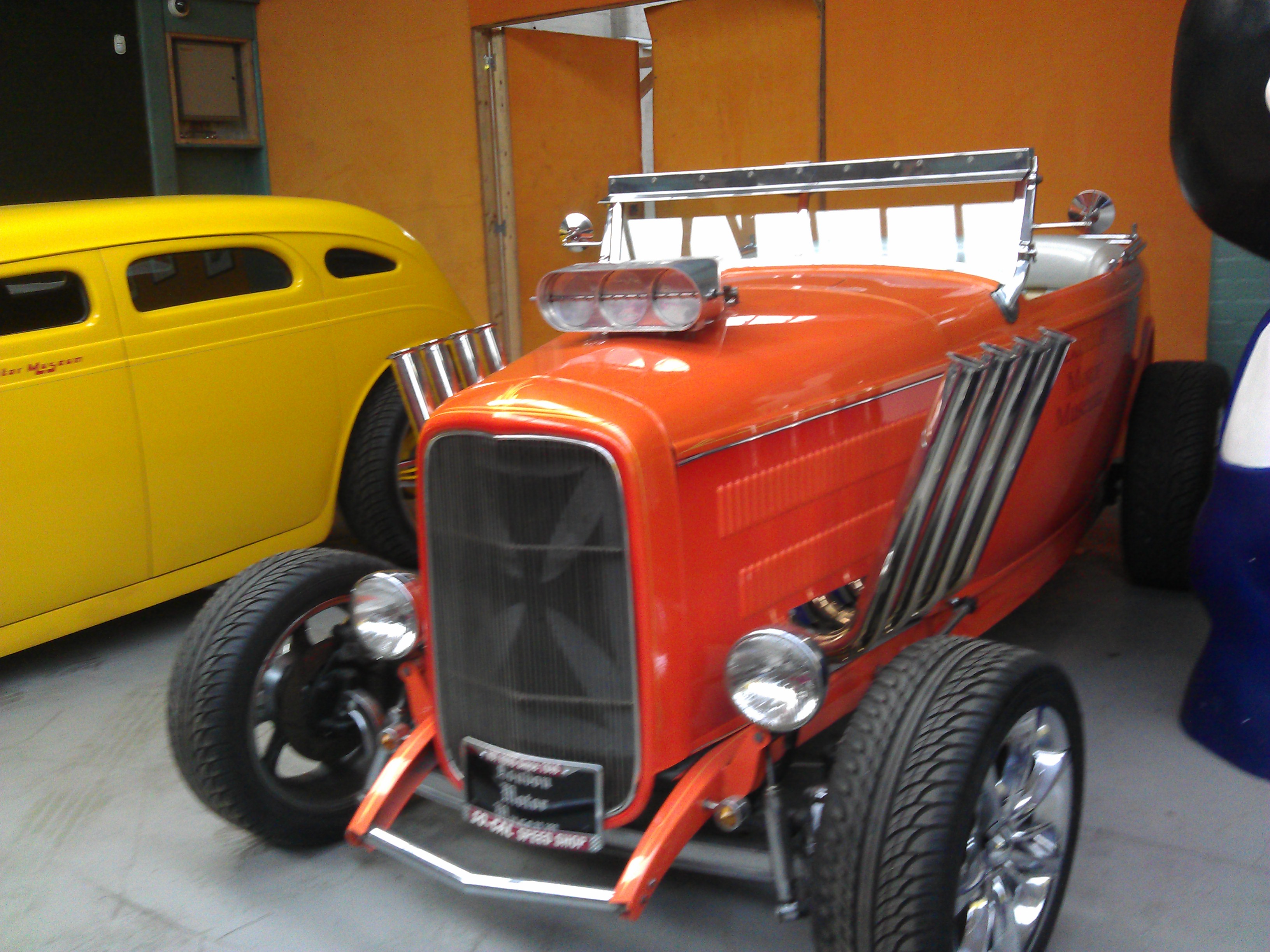
Car customization is a huge business in the States with aftermarket companies offering everything from aluminum carburetors, to reproduction trim pieces, to entire suspension set-ups. Customizing caught on quickly in American car culture because it embodied the freedom to be different. European customization tended to be purely around performance or high-end coach building, but in America it was the desire to be unique. It’s YOUR car; there are no other cars that will be exactly the same.

Also in American culture, there is a, to use the Social Studies term, “Cult of Bigness.” “Cult of Bigness” refers to the scale of which things are built and made in America. This is why, compared to the rest of the world, everything from houses to meals are typically larger in States. Many Social Scientists site this as a result not only the sheer size of the country, but also the late 19th Century’s Manifest Destiny when people spread out across the country to fill the space. While the space was filled, great, giant, grid-oriented cities developed around the county, while keeping pockets where there is nothing but farmland. Country and state long highways and interstate systems began to be built that seemed to stretch out towards the horizon. The muscle car and the American car culture reflect these characteristic in so many ways.
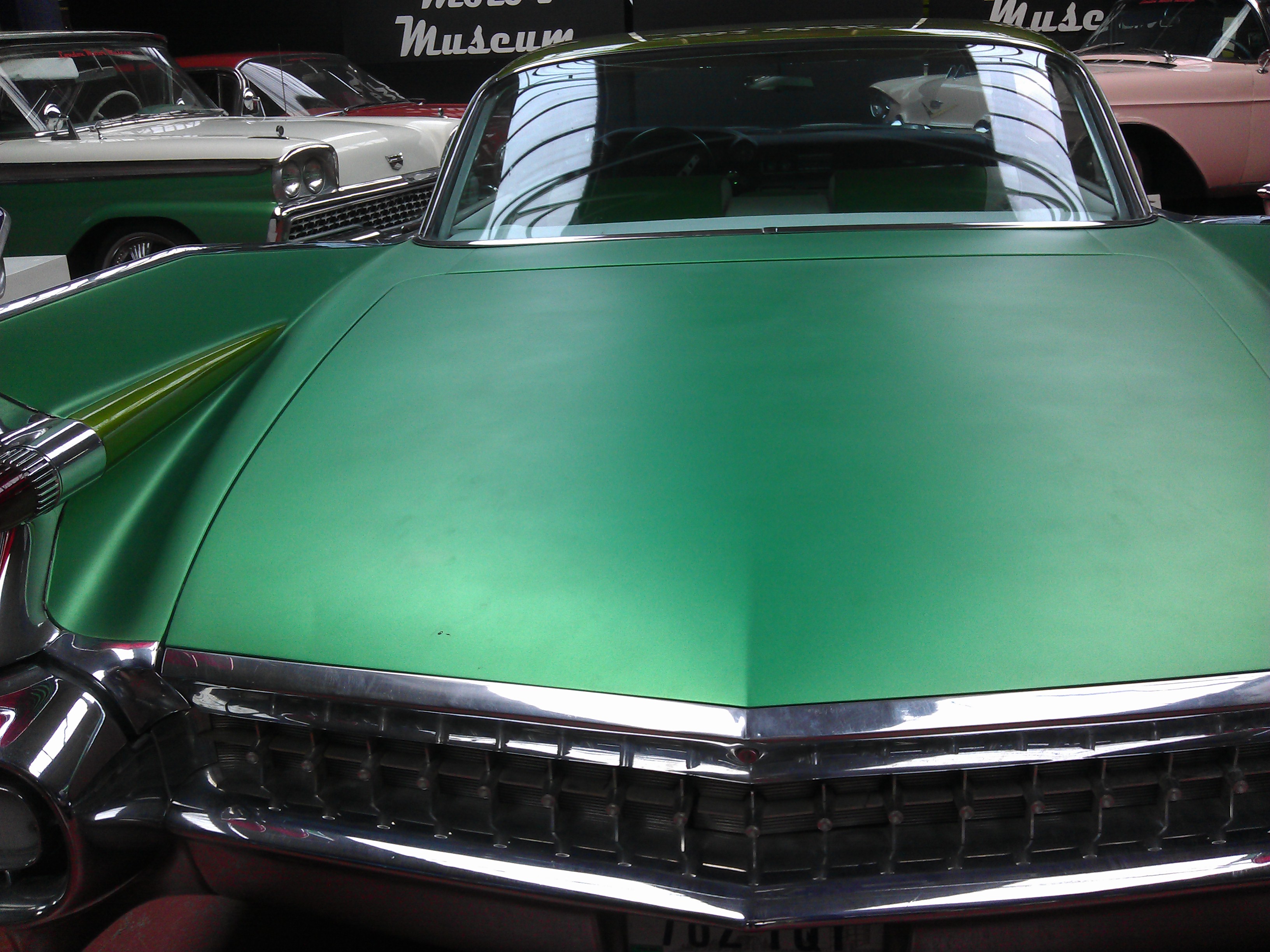
As an American who has only visited one other country his whole life, I get the impression via the Internet and by watching Top Gear UK that other cultures in Western Civilization tend to criticize America and American Cars for this “Cult of Bigness.” TV Presenter and Journalist Jeremy Clarkson has on more than one occasion stating something along the lines of “Muscle cars do not work in the civilized world.” I am sorry, Mr. Clarkson, you just don’t get it. Muscle cars are not meant to take tight turns or crave their way down Narrow Mountain roads like a European Sports car or a Japanese Tuner car. Muscle cars are meant to cover these straight distances in as little time as possible. Many would argue that the road trip was perfected in the States, and the cars and the car culture reflect it. Muscle cars are about being brash, being loud and using giant horsepower-shaped-hammers to get the job done. These characteristics, I might add, have been attributed to Mr. Clarkson on more than one occasion.
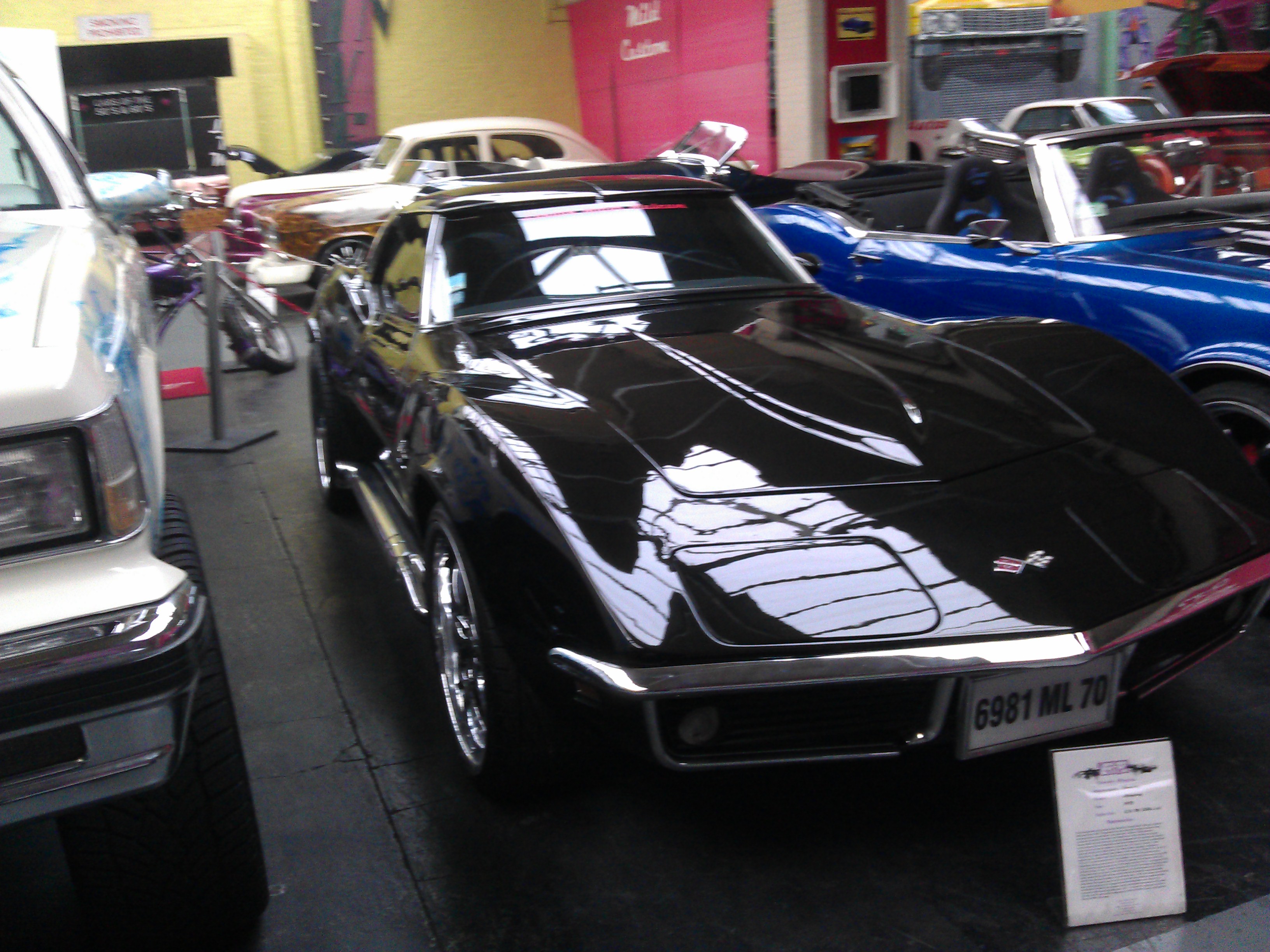
In conclusion, there are many, many reasons why muscle cars will always be considered cool, but the main reason will always be because of American culture. So many attributions of the American culture, whether that is the craving for freedom or the “Cult of Bigness,” the American muscle car could not have been created anywhere else on this planet. Americans worship these relics of the 60’s and have spent countless hours and money keeping them together, restoring them, and advancing them into the new century with new technologies that are used today. The last decade has seen a rebirth of the muscle car with The Big Three resurrecting old names brings them into the new century. These new muscle cars have been designed to look like the old ones, and to have the same horsepower kick-in-the-head feeling.

The Big Three have also made sure to cure the classic muscle cars handling characterizes and have seen to make sure they can challenge their European and Japanese Rivals on the race track. Unless you haven’t heard, the 700+ hp Challenger Hellcat and the track-ripping Camaro Z/28 are muscle cars that have set the automotive World on fire with their capacities. With these new muscle cars turning heads just as much as their predecessors, and with the love of the muscle car deeply ingrained into American culture, this is why the classic muscle car will always be cool.
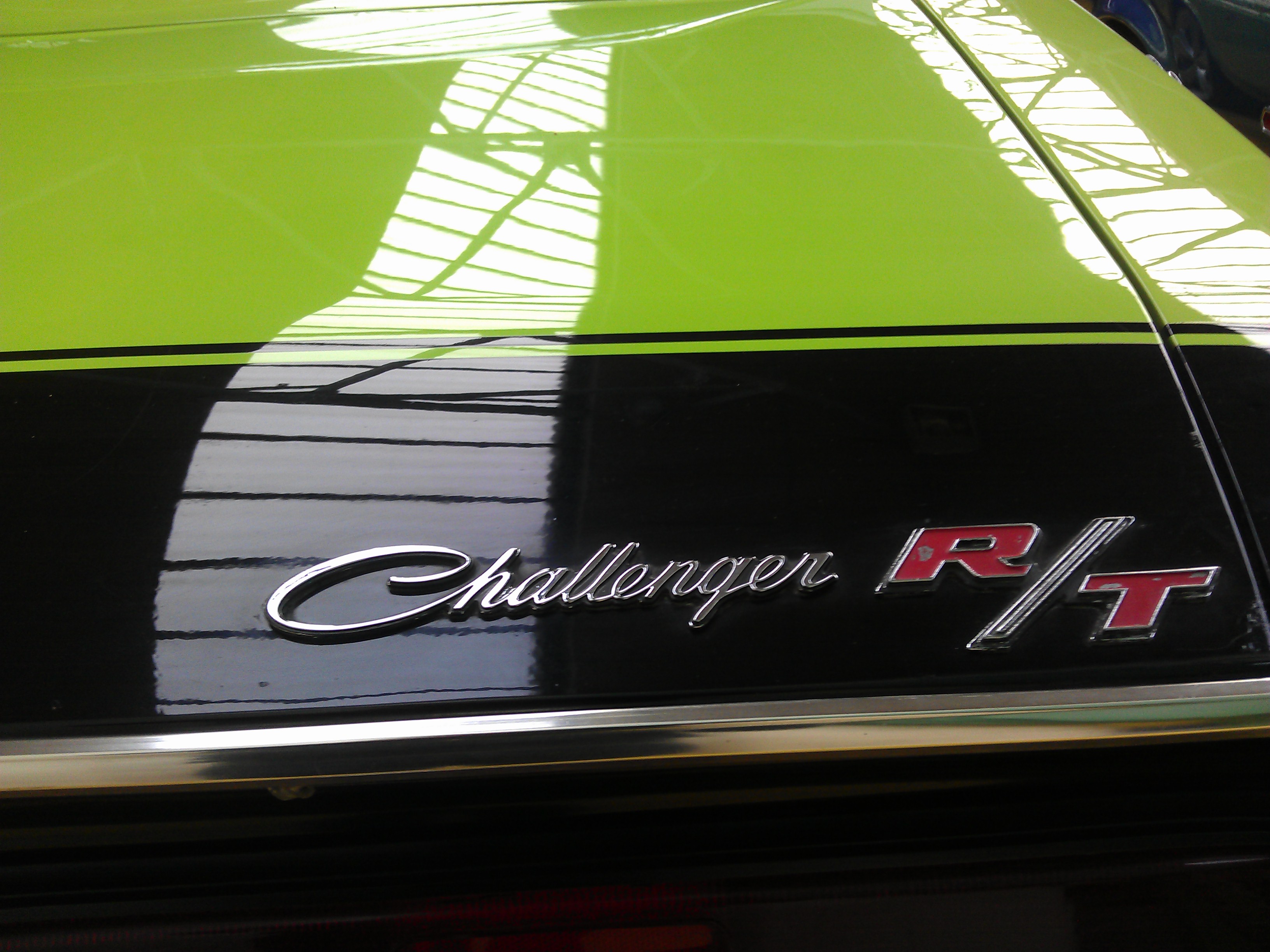
[…] 360 game videos. Our initial meeting gets off to a noteworthy start as our new contributor, muscle car appreciator and virtual racer takes us for an introductory look at GRID […]